
Ideas turned into matter.
Technical guides, materials, projects and research applied to additive manufacturing.
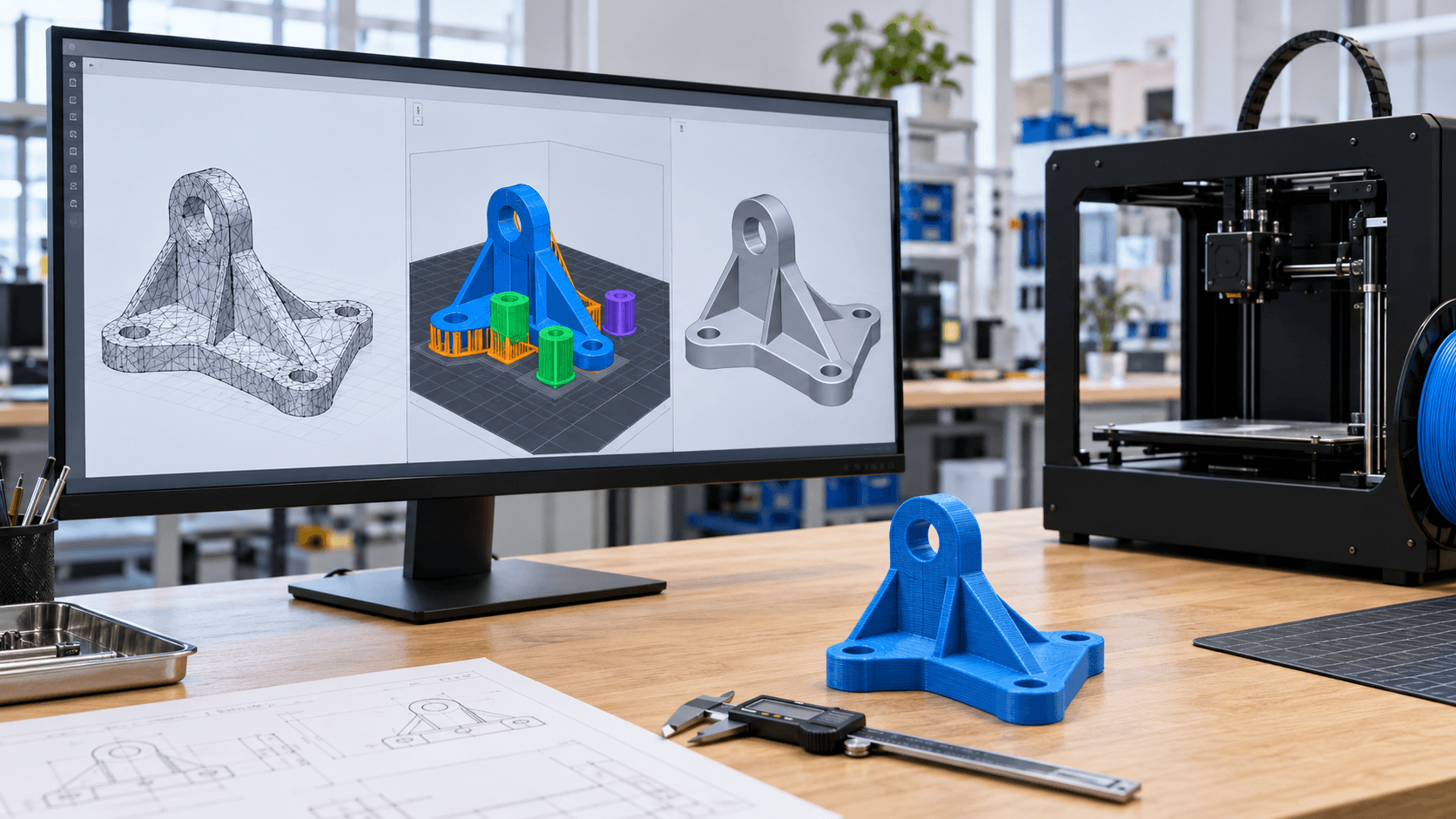
STL Files for 3D Printing: Checks, Errors, and 3MF and STEP Alternatives
An STL file may look correct yet cause errors in the slicer. Discover what to check before printing and when to prefer 3MF or STEP.
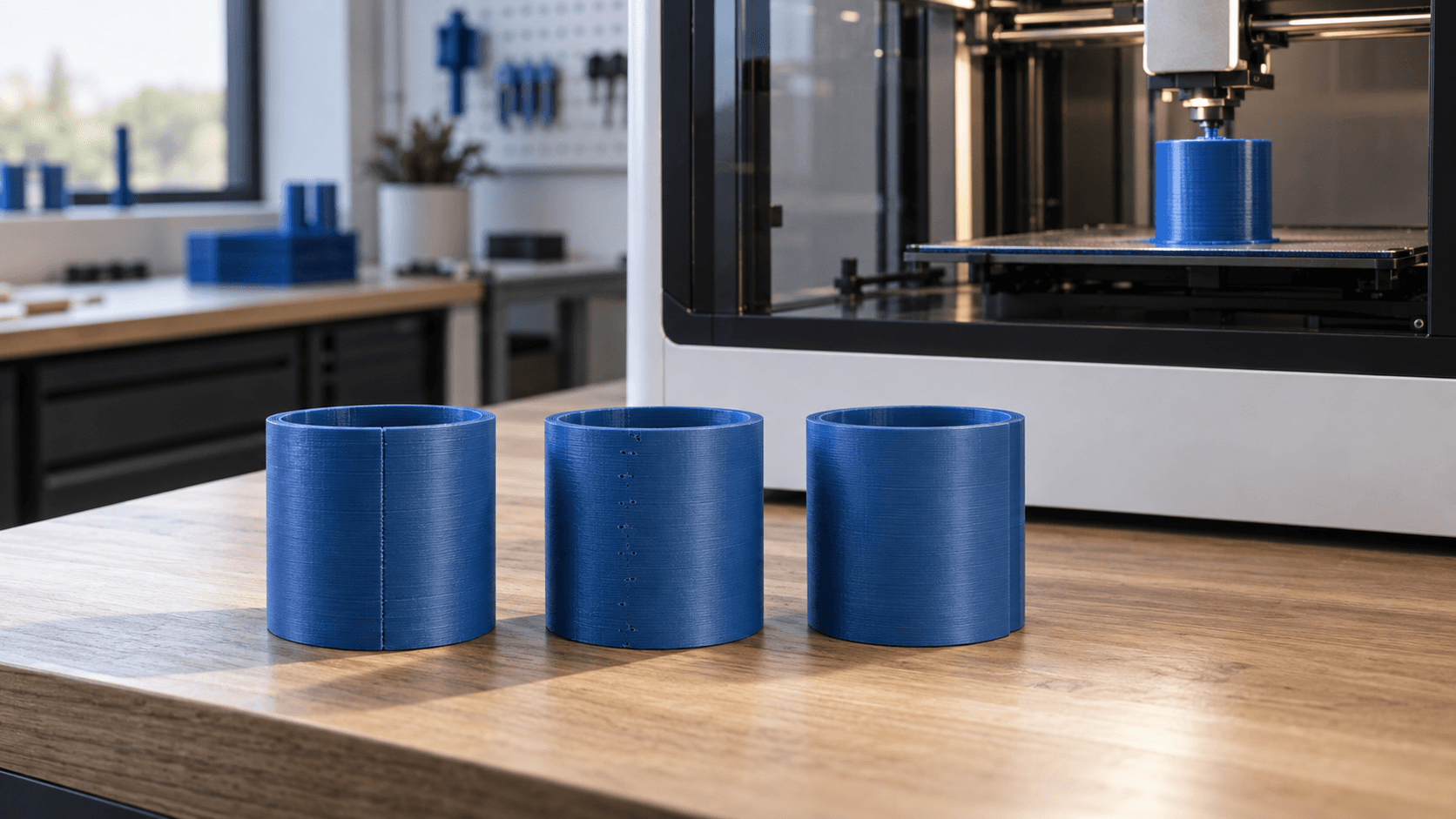
Z seam in 3D printing: how to reduce the vertical scar
The vertical line on the part is not always a random defect. Discover how seam position, flow, retraction and geometry change the result.
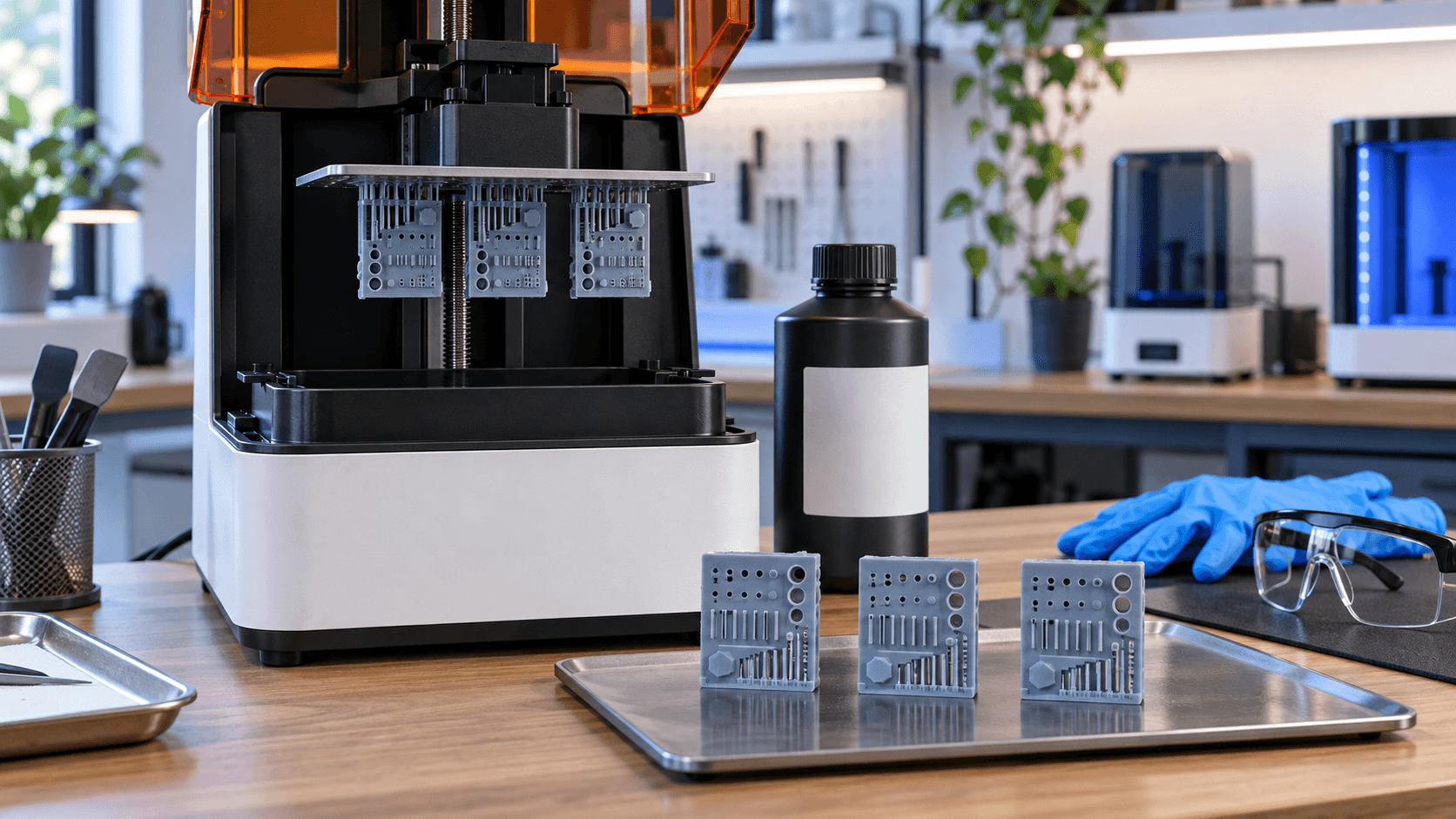
Exposure in resin 3D printing: calibrating detail and precision
An exposure time copied from the internet is not enough. Learn to calibrate resin exposure by distinguishing missing details, closed holes and process problems.
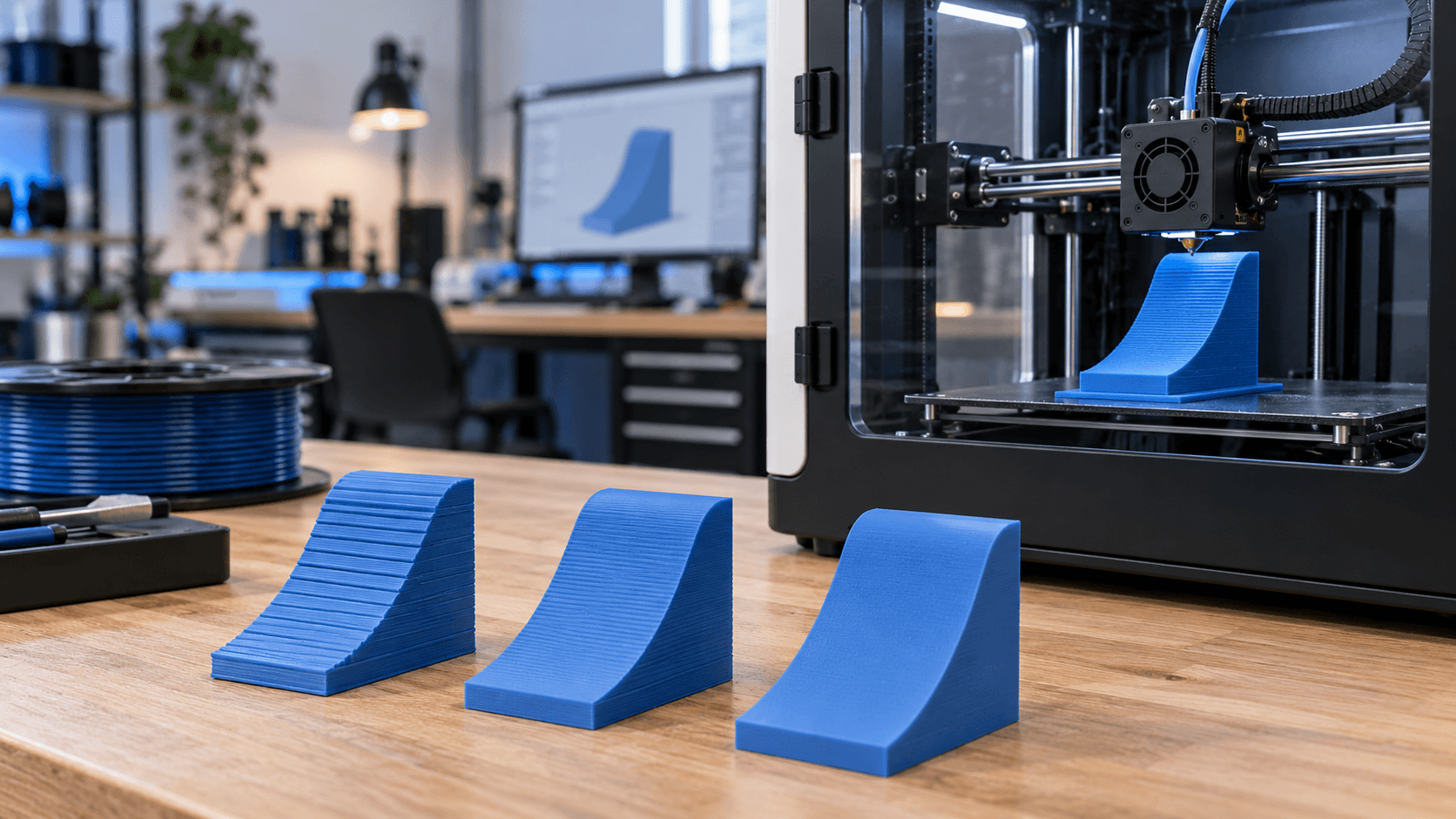
Layer height in 3D printing: quality, time and error-free surfaces
Thin layers don't always mean better parts. Discover how to choose the right height by evaluating geometry, nozzle, time and the part's function.
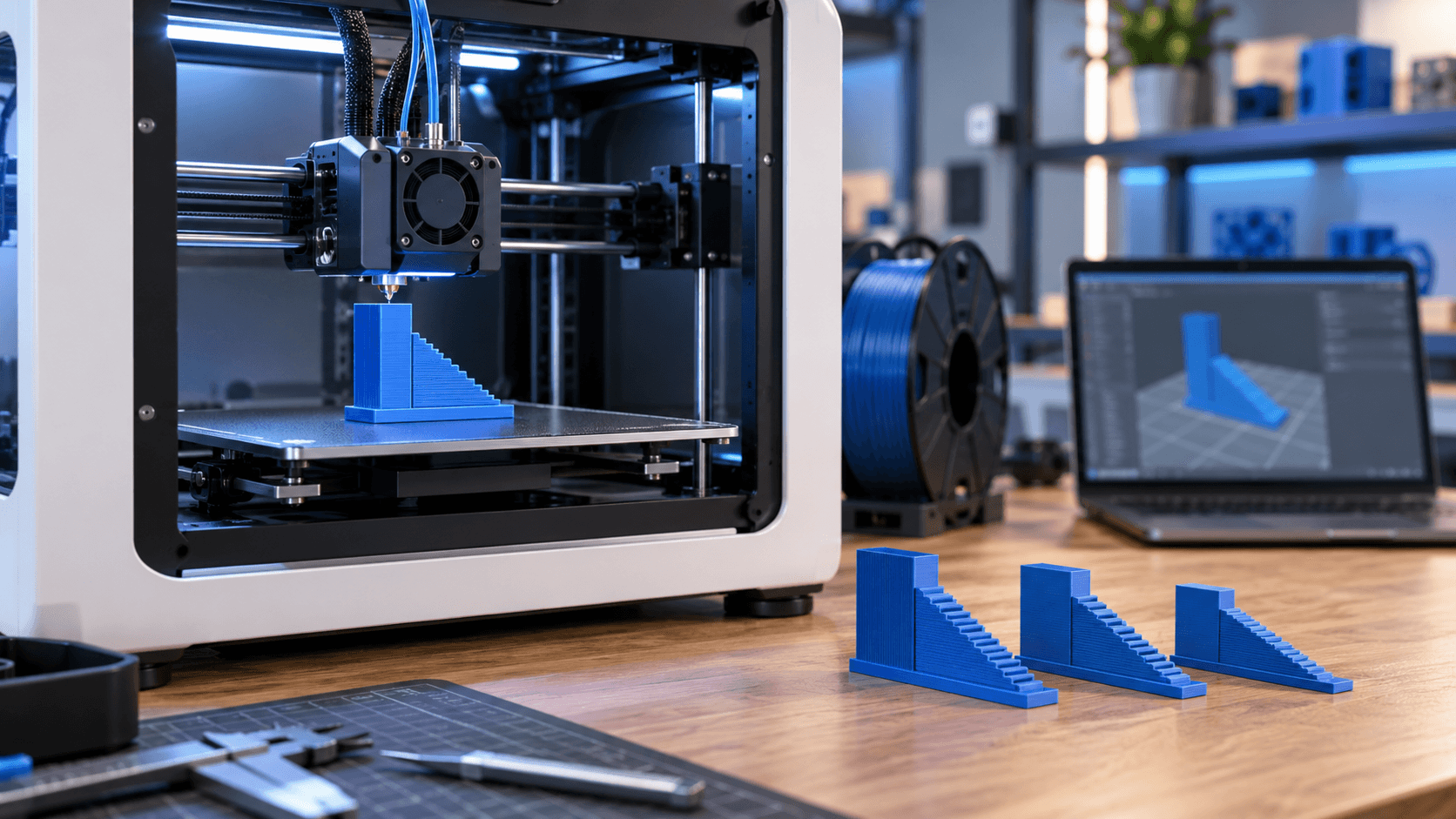
FDM 3D printing speed: error-free acceleration, throughput and quality
mm/s alone doesn't tell you how fast a print will be. Find out how to balance speed, acceleration and volumetric flow without losing quality.
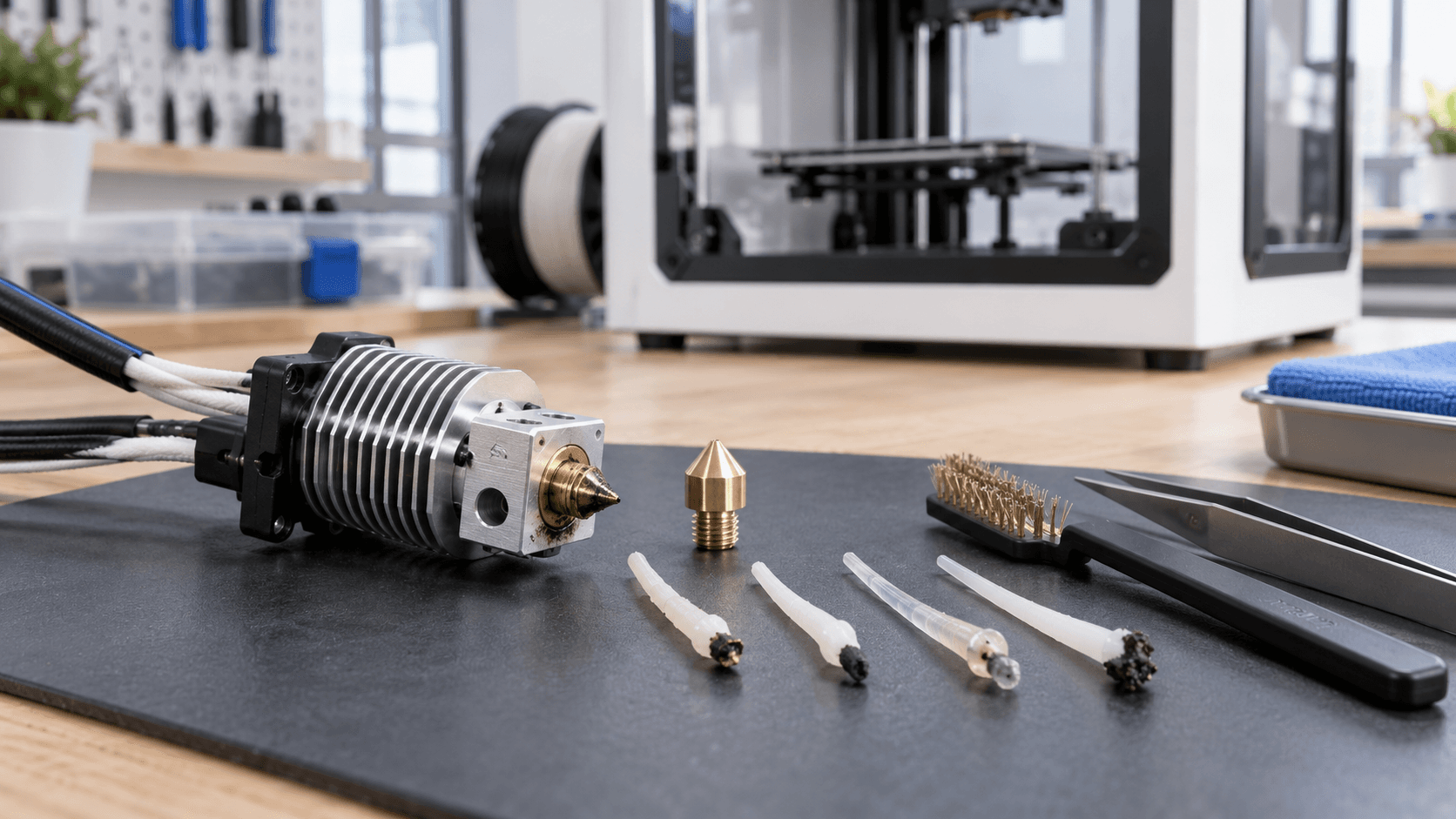
Clogged 3D printer nozzle: diagnosis and cleaning without damage
Thin extrusion, jerkiness, and uneven flow do not always indicate a blocked nozzle. Follow an orderly diagnosis before cleaning or replacing components.
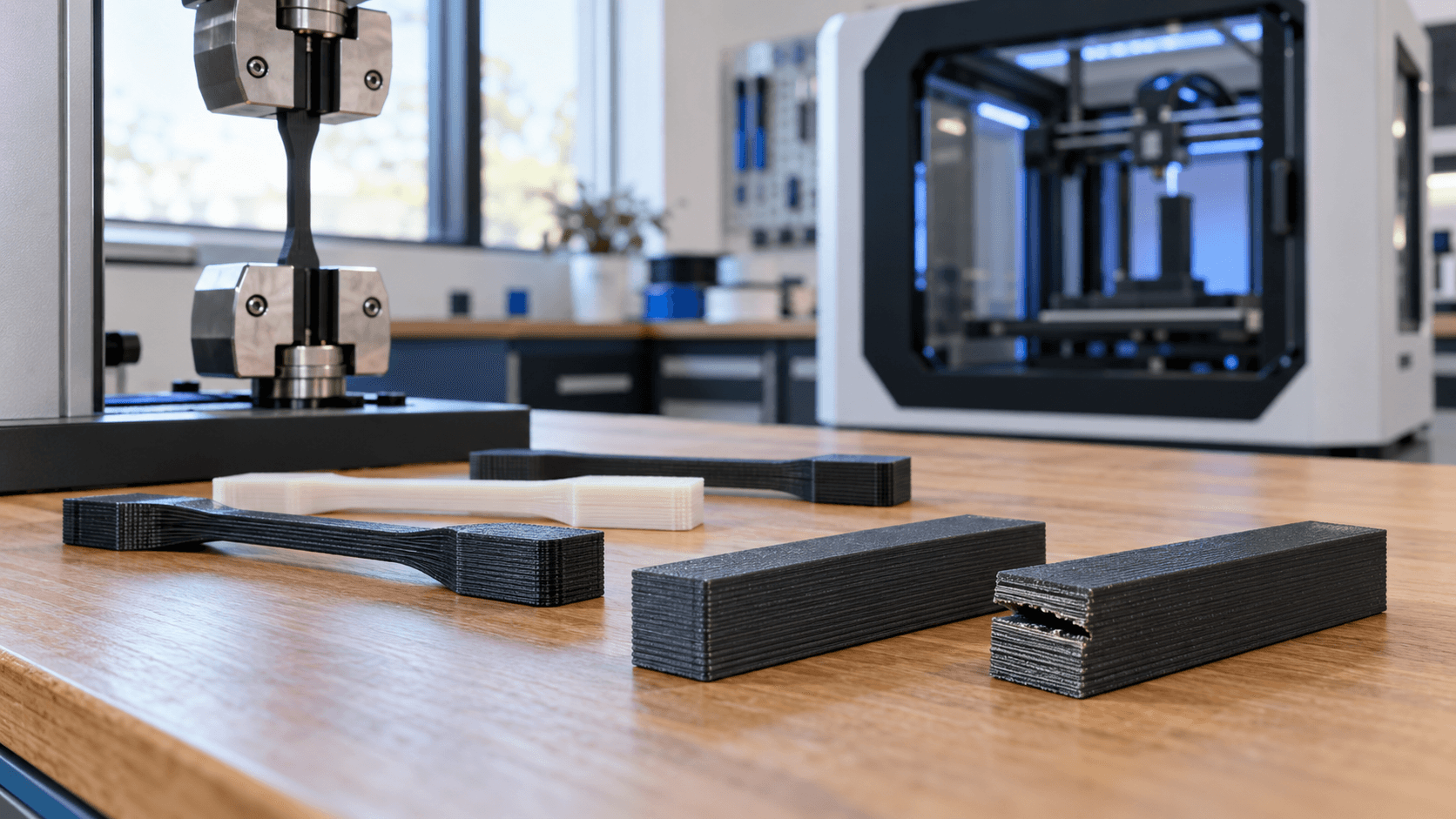
Inter-layer adhesion in FDM 3D printing: avoid cracks and delamination
Sharp cracks and separating layers indicate a process that needs to be corrected. Learn how to distinguish delamination, underextrusion and load failure.
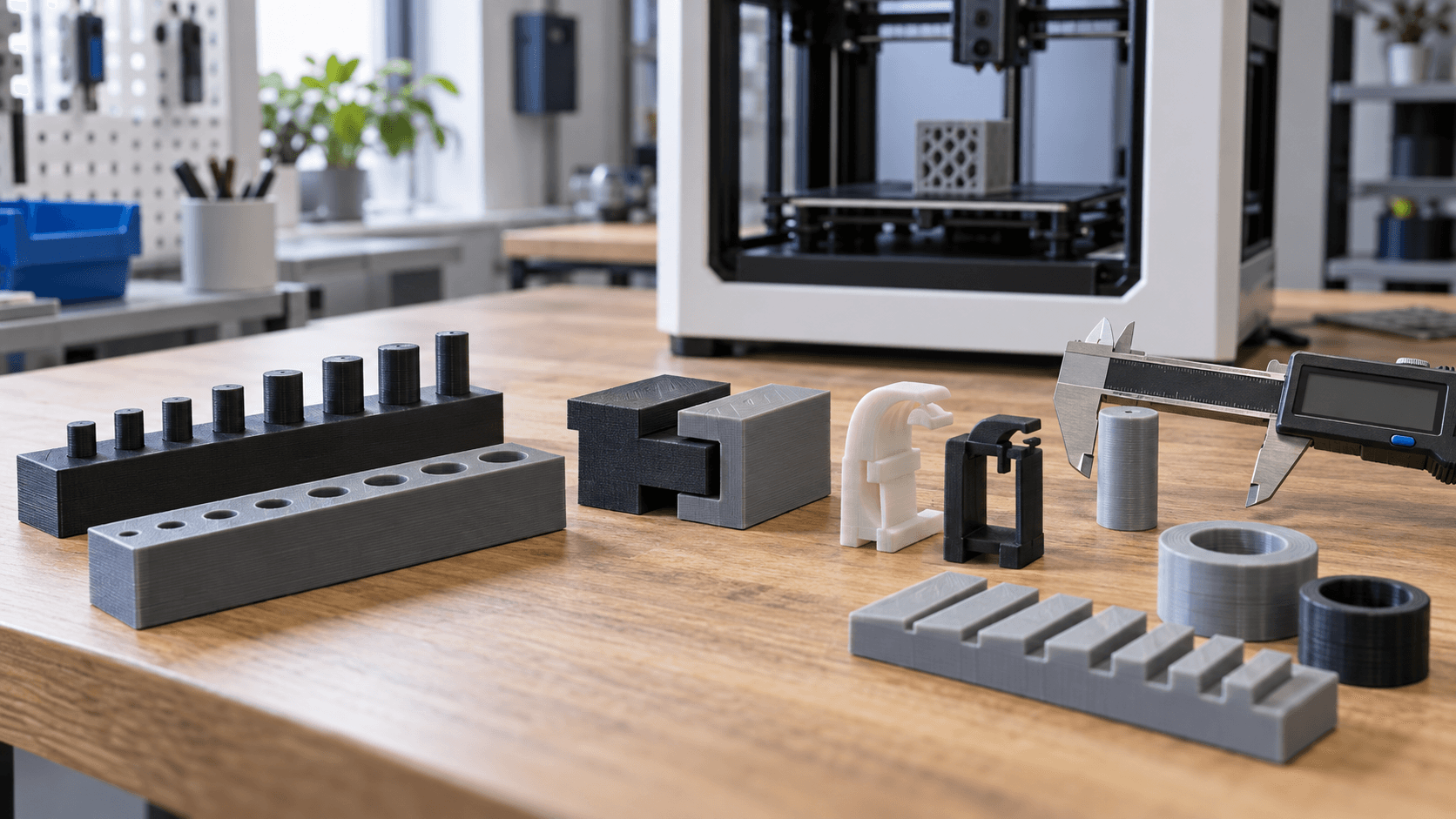
Tolerances in FDM 3D printing: designing fits and holes that work
A correct fit comes from play, orientation and measured tests. Here's how to design holes, pins, and moving parts without relying on a universal dimension.
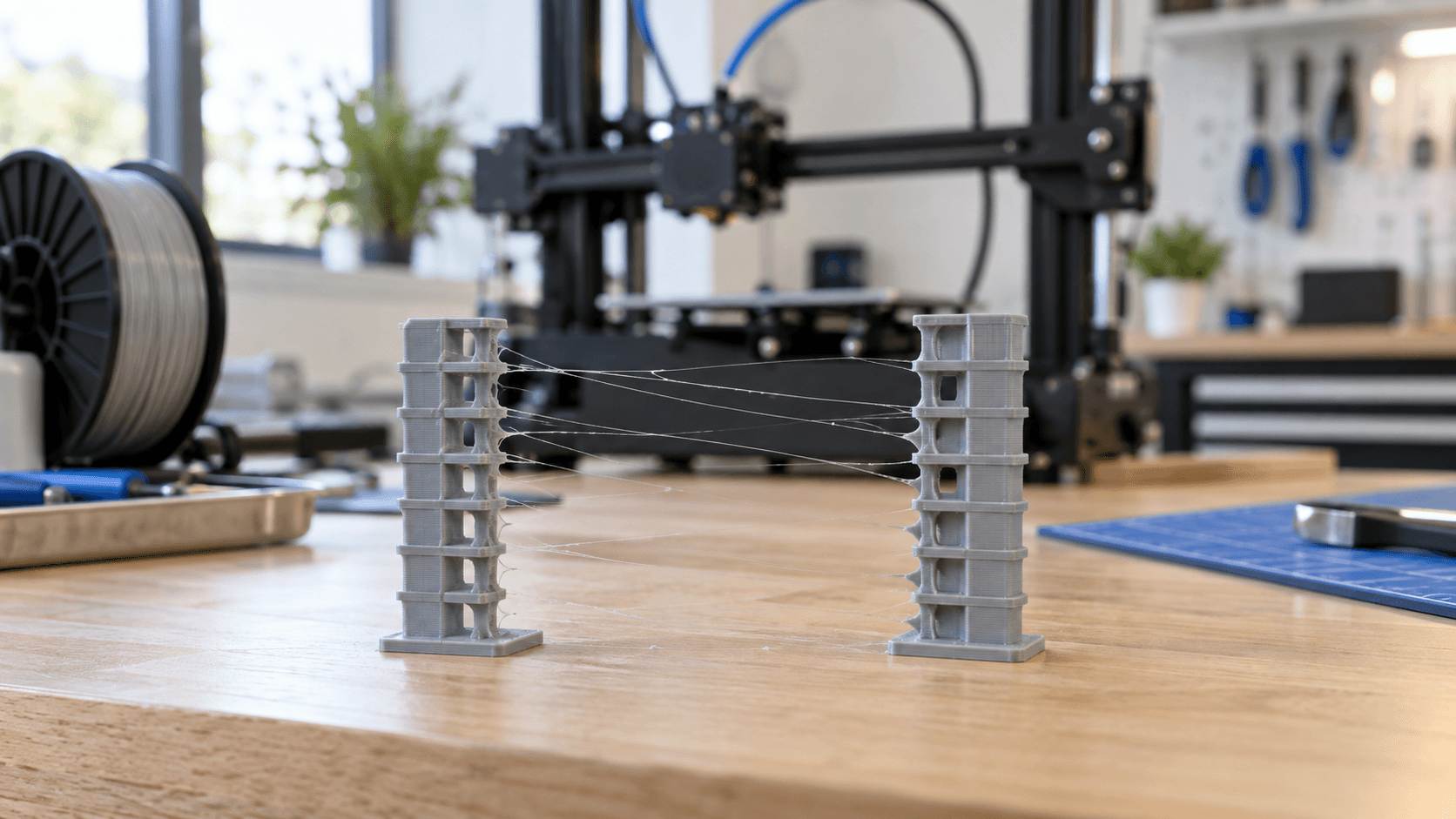
Stringing in 3D printing: eliminating threads and cobwebs without overcorrecting
Thin wires between printed parts? An orderly diagnosis distinguishes temperature, retraction, wet filament, dirty nozzle and slicer movements.
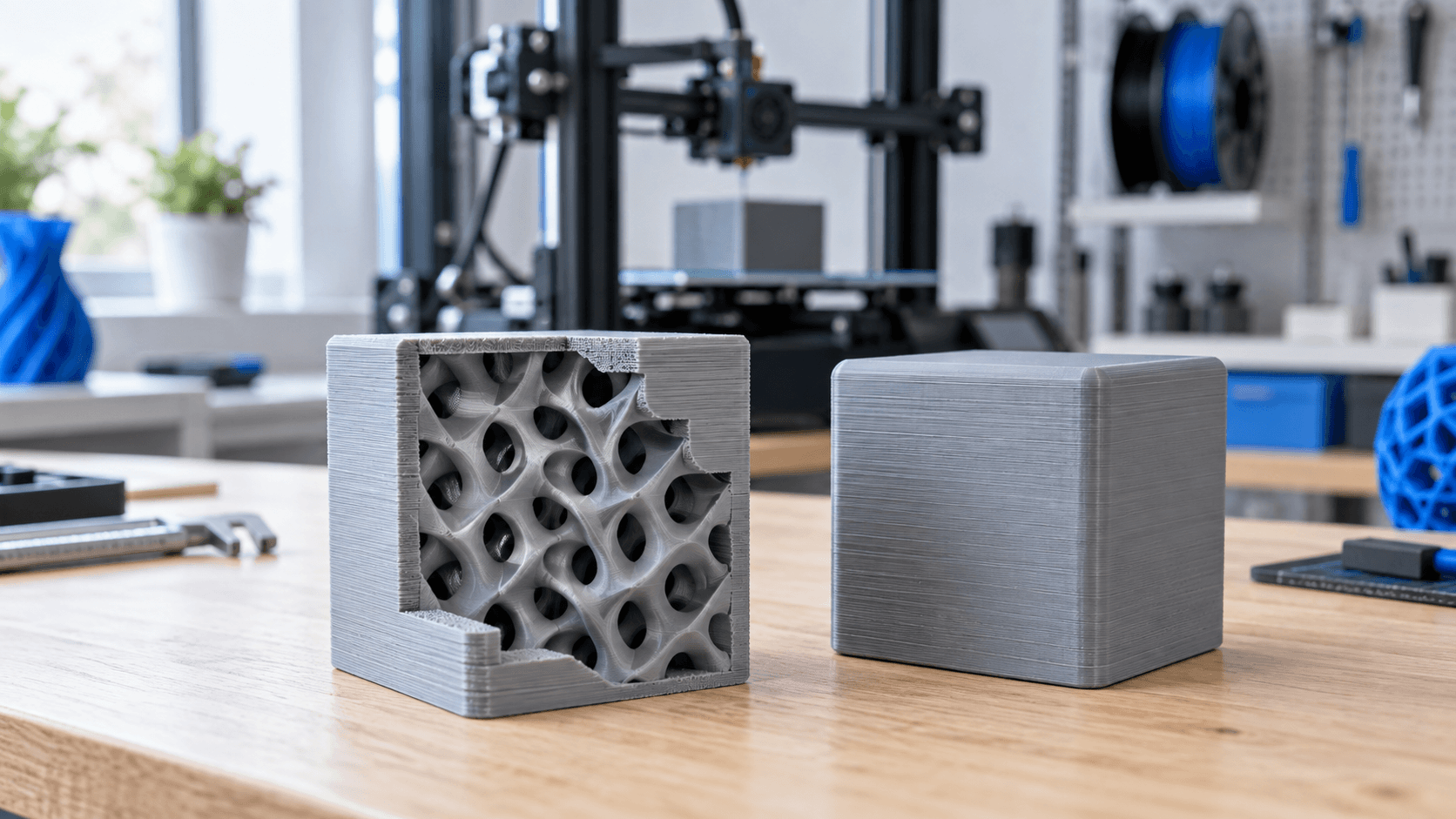
Infill in 3D printing: density and pattern without wasting filament
More fill doesn't always mean a better piece. Learn how to choose infill density and pattern based on geometry, loads, top layer, time and material.
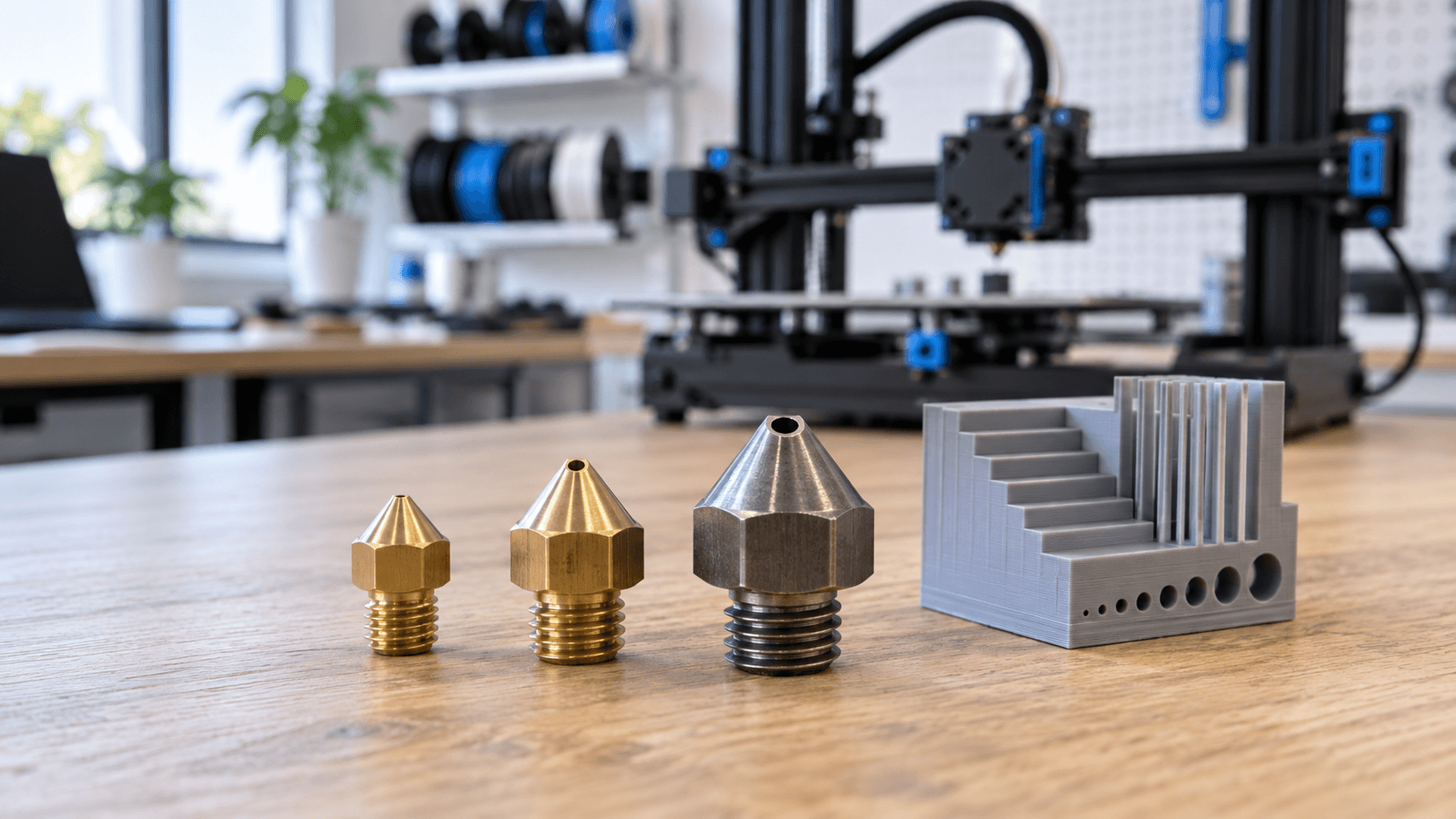
FDM 3D printer nozzle: choose between 0.4 and 0.6 mm without errors
A larger nozzle does not automatically make every print better or faster. Here's how to choose diameter and material, update the slicer and check the result on the piece.
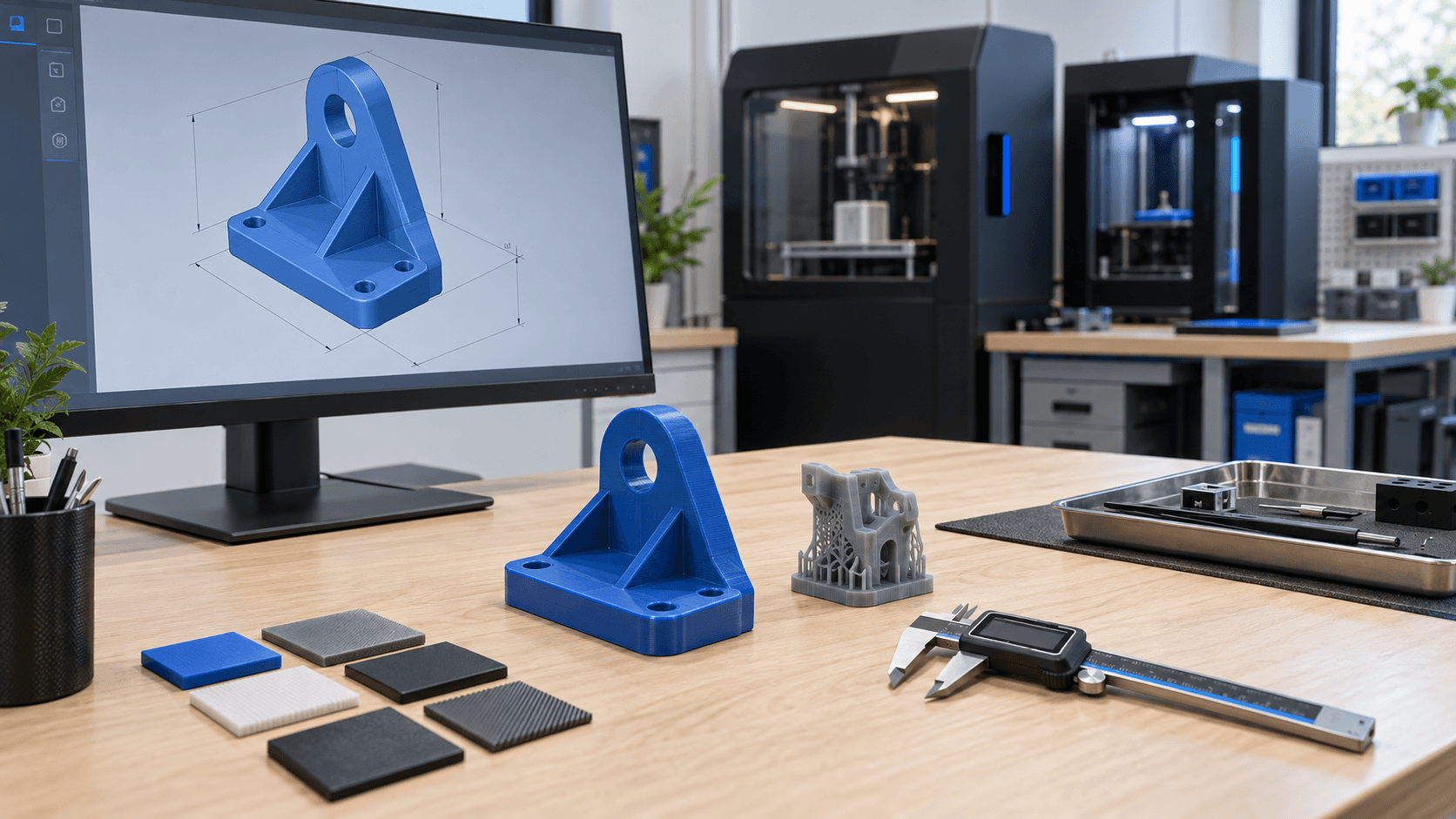
3D printing online: what you need for a reliable quote
File, dimensions, material, quantity, tolerances and finish: the information that transforms an automatic estimate into a truly comparable 3D printing quote.
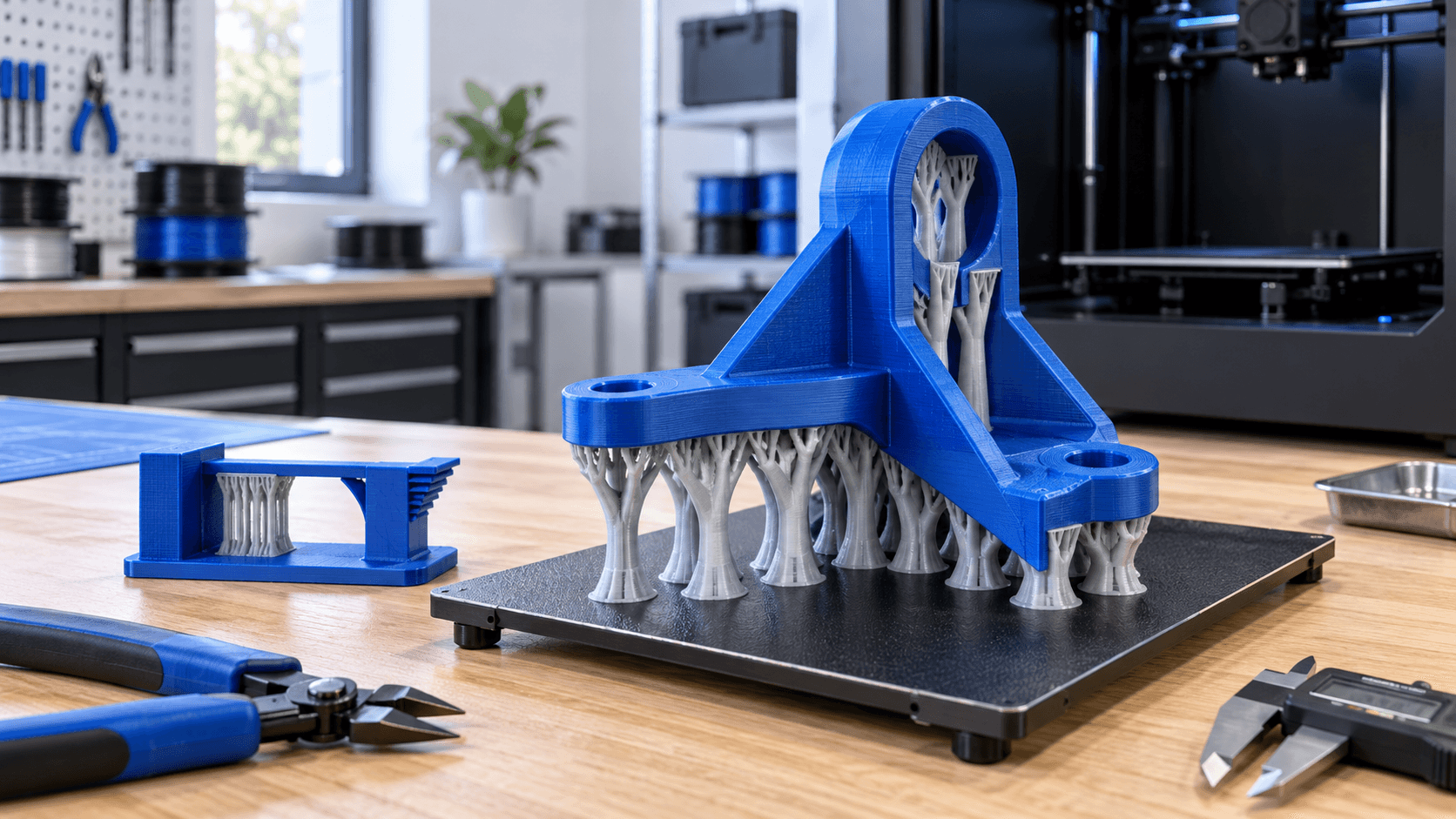
Supports in FDM 3D printing: how to use them without ruining the piece
Orientation, overhang threshold, interface and distance from the model: a practical method to create stable, removable and less invasive FDM supports.
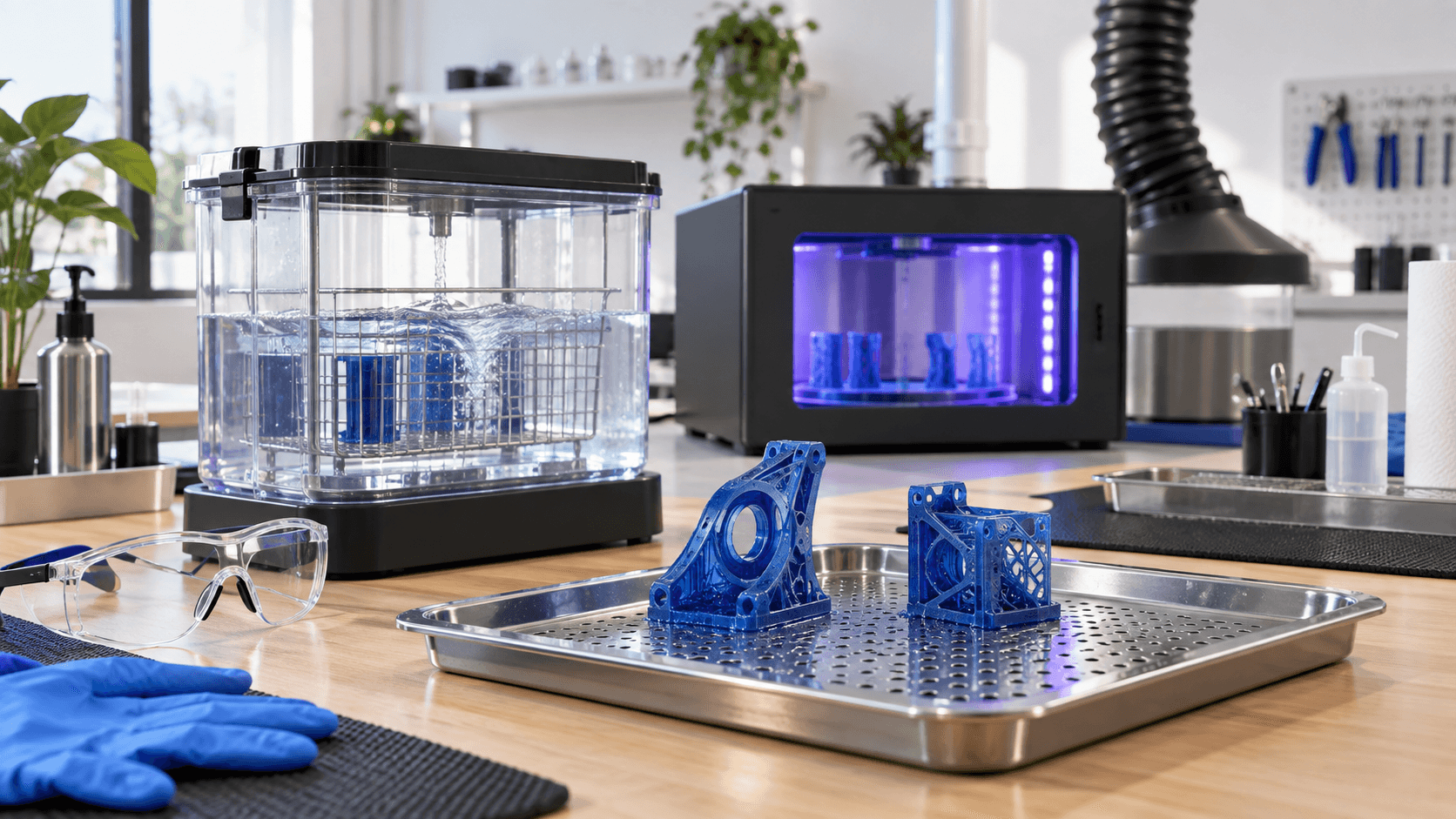
Resin 3D printing: error-free washing and post-curing
From removal from the plate to final curing: a convenient flow to wash, dry and post-cure resin parts with more control and confidence.

3D filament data sheet: how to read it before printing
Temperatures, mechanical properties, HDT and test conditions: here's how to read the technical data sheet of a 3D filament without transforming laboratory values into promises on the piece.
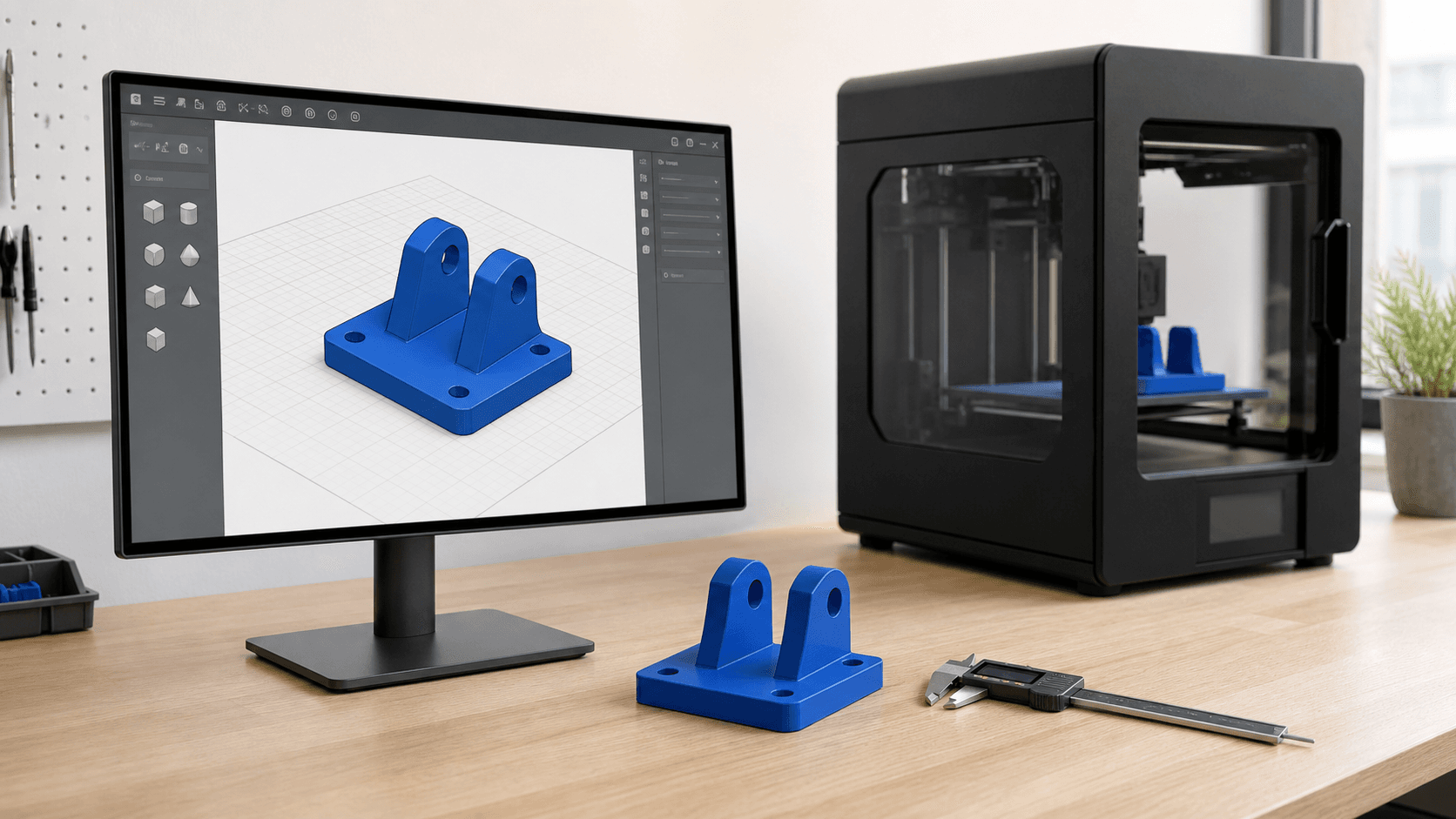
Tinkercad and 3D printing: how to design a part that prints well
From measurements to joints, up to the preview in the slicer: a practical method to transform a Tinkercad project into a producible 3D piece.
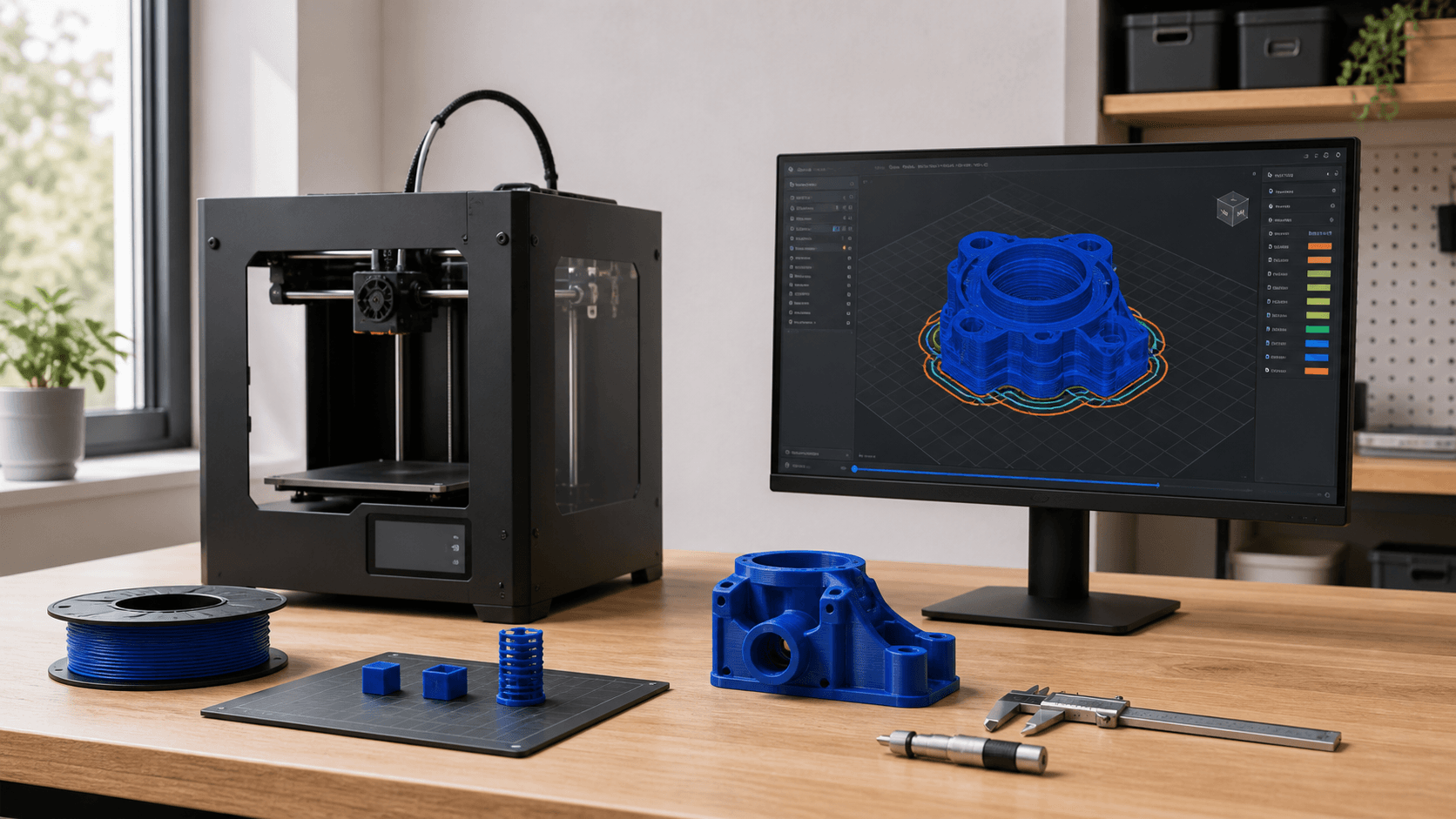
Bambu Studio: 8 checks before starting a 3D print
Machine profile, filament, orientation, supports and preview: eight practical checks in Bambu Studio to reduce errors and reprints.
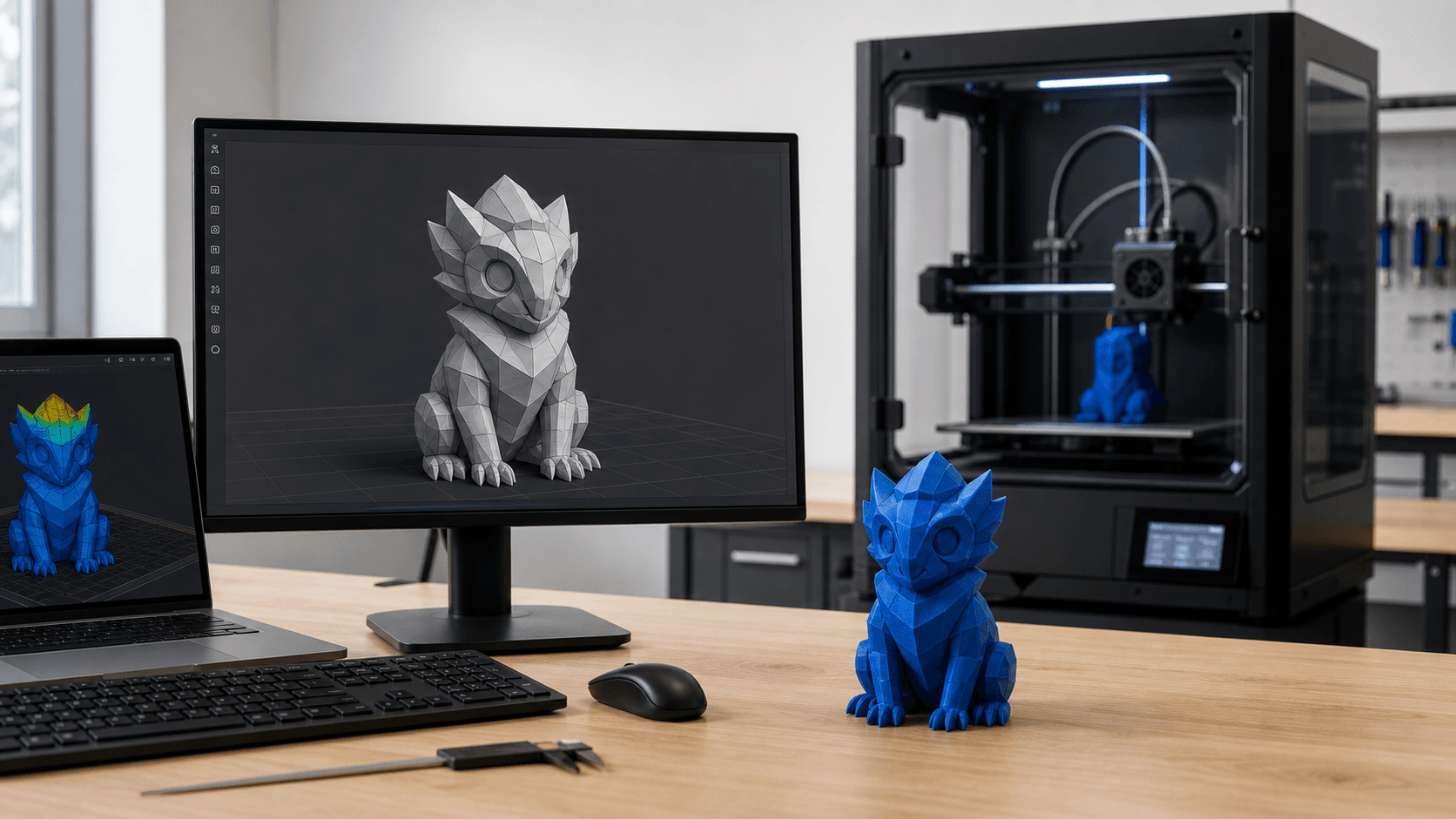
3D models with artificial intelligence: from prompt to a truly printable file
From AI generation to the physical part: controls on mesh, scale, thicknesses, supports and sample proofing to make a 3D model truly printable.
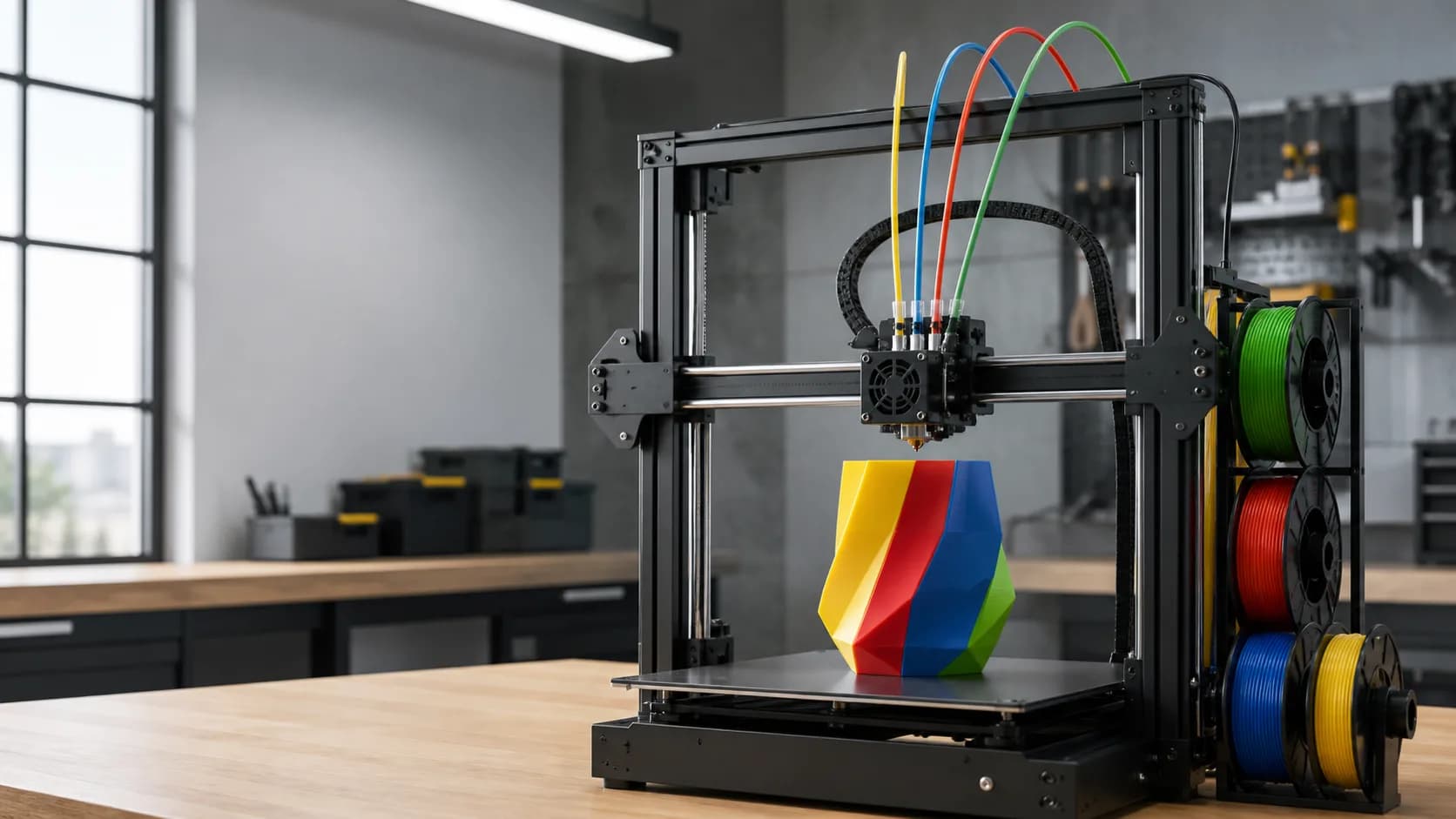
Anycubic Kobra X: guide to waste-free multicolor 3D printing
Multicolored printing is growing in searches. Let's see what Kobra X offers and how to reduce purging waste, times and filament consumption.
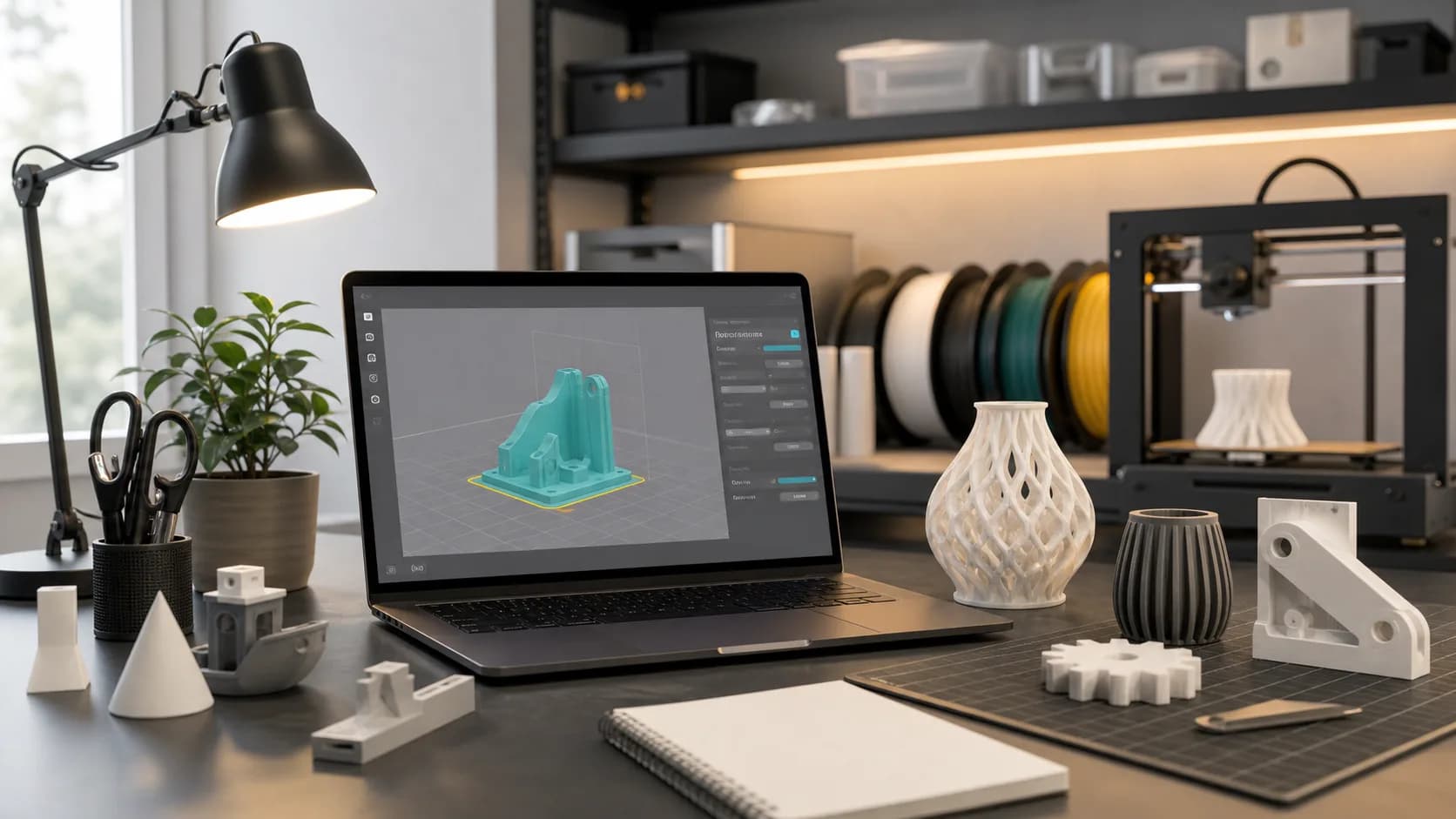
MakerWorld and 3D printing profiles: how to choose reliable models
A beautiful model is not enough. Practical checklist to evaluate license, profile, material, orientation and tests before a long print.
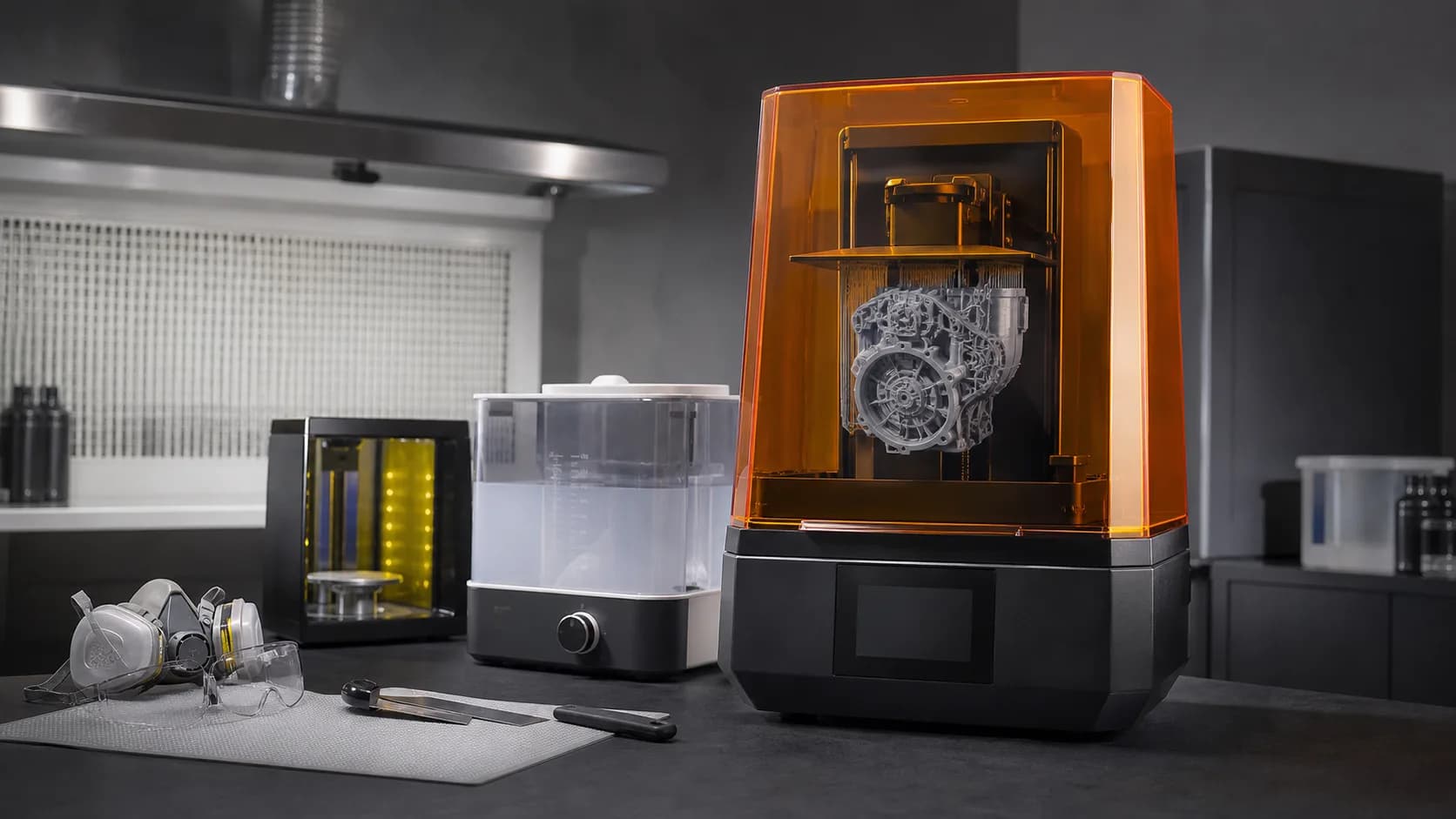
9K resin 3D printers: what 18 µm resolution really means
Resolution, XY pixels, speed and post-processing: useful criteria to understand the new MSLA printers beyond the 9K number.
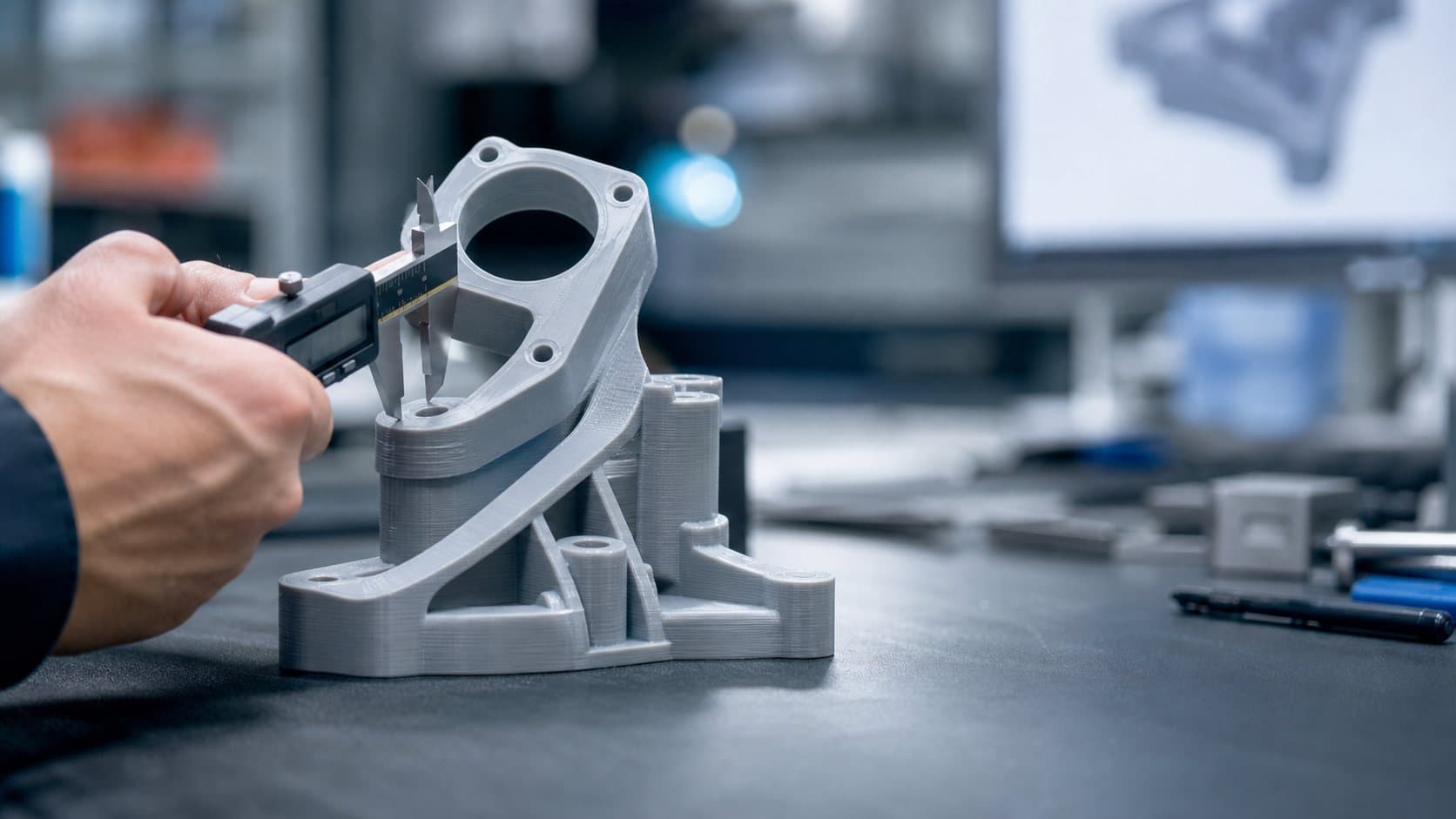
Functional 3D printed prototypes: a practical guide for SMEs
Goals, materials, tolerances, testing and transition to short production runs.

C4L materials now available in Italy through ADIVO
Easier access to reliable filaments for the Italian and European markets.
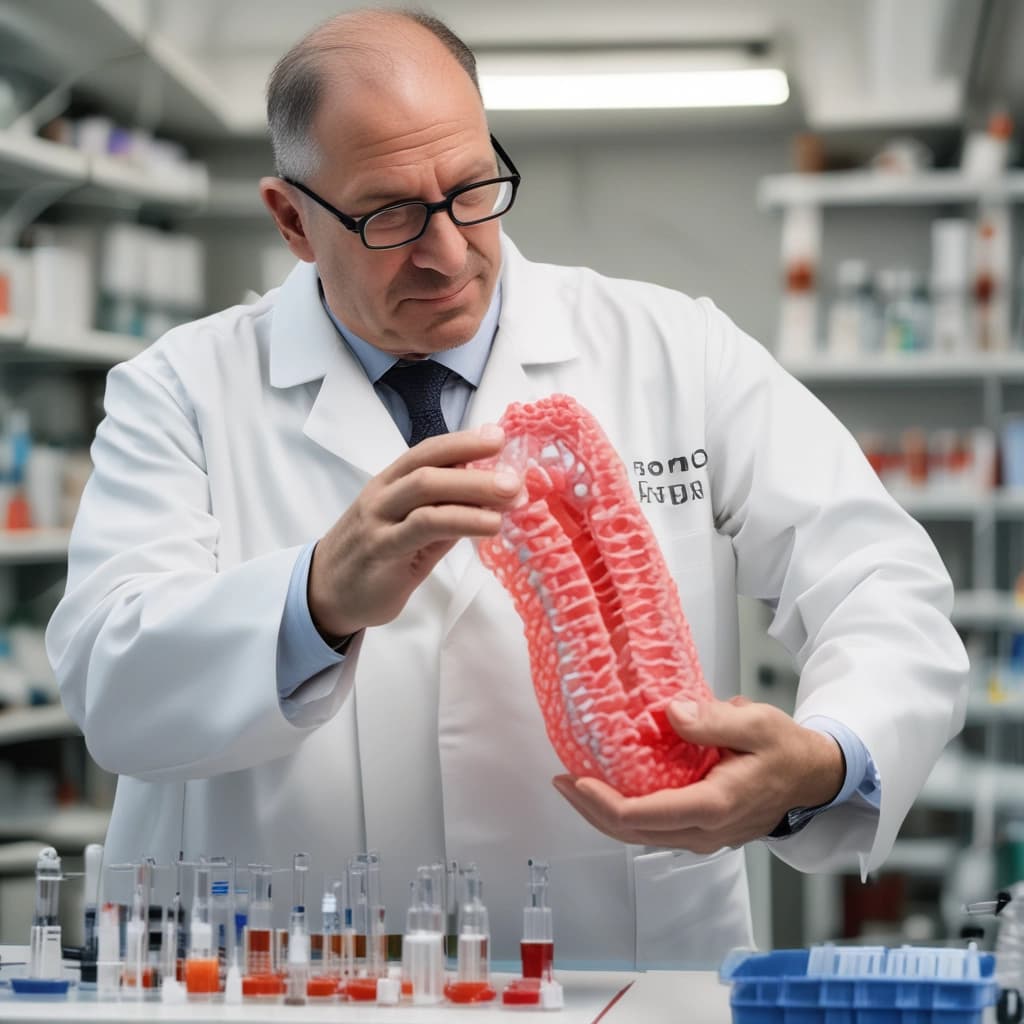
3D bioprinting and regenerative medicine
Additive technologies and biological sciences for functional tissues.